cyber risk quantification
-
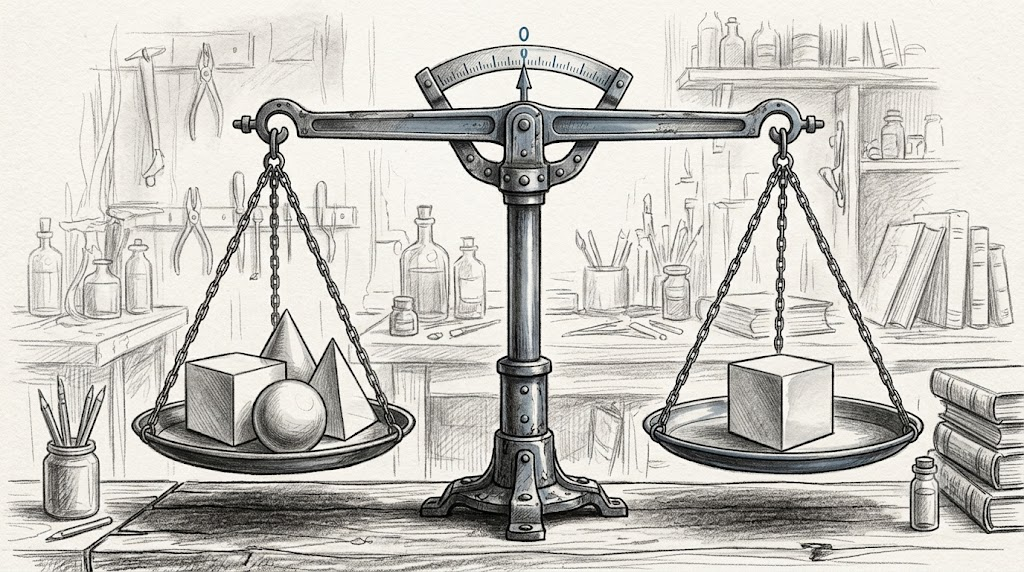
Why the Vulnpocalypse Fails the FAIR Risk Test
While Mythos Preview’s vulnerability discovery numbers are real, the conclusion many are drawing from them isn’t. A FAIR decomposition of the “Vulnpocalypse” shows that raw vulnerability count does not dramatically move the variables that actually drive risk. The Vulpocalypse panic says more about the profession’s governance deficit than about any genuine shift in exposure.
-

Whose Risk Is It? Why Cyber Risk Supervision Needs a Different Question
Cyber risk supervision is built around a question that sounds right but may be the wrong one entirely. Regulators routinely assess whether institutions understand and are managing their cyber risk exposure. The better framing may be, does the institution’s cyber risk exposure threaten the objectives I’m responsible for protecting?
-
The Perception Gap: What Cyber Risk Quantification Actually Requires
97% of regulators surveyed identified data availability as the primary barrier to cyber risk quantification adoption. This perception is understandable but it’s wrong. This post examines the hidden assumption driving that conclusion, what CRQ frameworks actually require to get started, and why the real gap isn’t in the data.
-

Cyber Risk Doesn’t Have a Data Problem. It Has an Uncertainty Problem
Most cyber risk quantification efforts stall with the claim that there isn’t enough historical data. In reality, this is often a misdiagnosis. The real issue is not data scarcity, but a failure to understand the different types of uncertainty driving cyber risk and how each should be analyzed.
-
Cyber Risk as a Special Case in Operational Risk
Placing cyber risk inside the operational risk framework was once a reasonable call. But fifteen years of escalating incidents, adaptive threat actors, and deepening digital interdependence have changed what we’re actually dealing with. This post examines why the operational risk container no longer fits and what a more precise analytical lens needs to do.
-

Modern Risk Management – Presentable, Not Useful
Risk management stopped being about understanding how things fail somewhere around the time it became more important to demonstrate that a process was followed. We now have popular artefacts hiding shallow thinking.